


Introdduction:Why Your Worst Astrocade Game Teaches
When you first enter the digital development space, it is incredibly easy to fall into the trap of perfectionism. You see massive global hits on the trending charts and falsely assume that those successful creators have never experienced a public flop. The truth about making games is entirely different. Every famous digital architect has a massive hidden graveyard of terrible ideas, broken mechanics, and completely unplayable prototypes. Those initial failures are not something to be ashamed of; they are the necessary stepping stones toward ultimate mastery.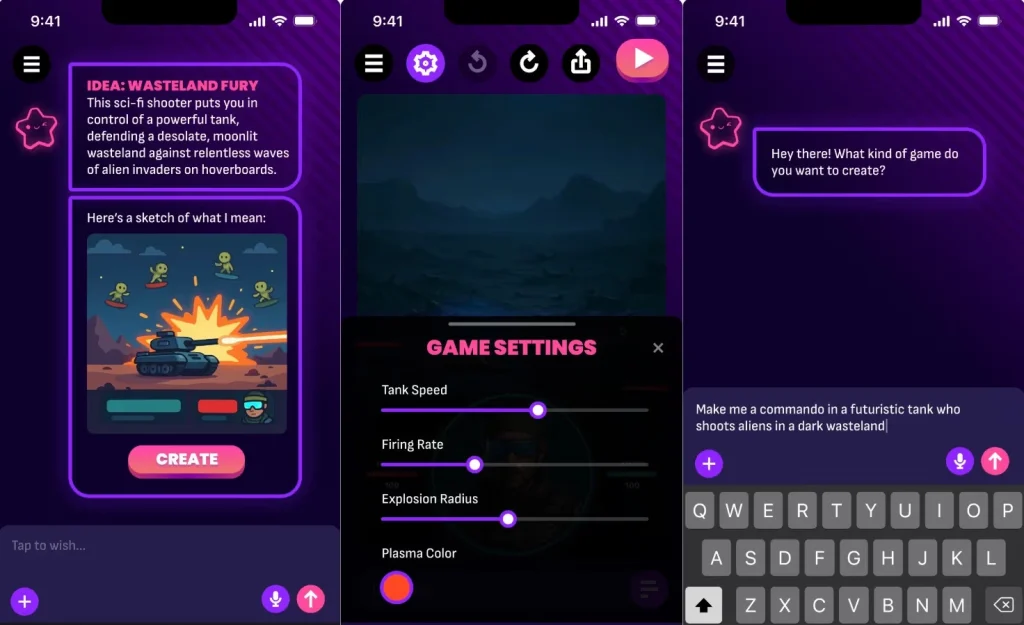
The Danger of Accidental Success
Imagine your very first digital project goes viral overnight. While that sounds like a dream come true, it actually presents a massive educational problem. If you succeed entirely by accident, you have no idea what specific structural elements caused the audience to stay. Your second game will likely flop because you never learned how to accurately deconstruct a digital mechanic. A massive failure, on the other hand, provides a highly detailed map of exactly what you should never do again.
Behind every powerful concept lies a deeper meaning that shapes how we understand it. The Lufanest meaning goes far beyond its definition — it reflects a fundamental shift in how technology should be built, experienced, and trusted in a world where human well-being must always come before machine efficiency.
The Beautiful Chaos of Bunny Pancake Kitty
To truly understand how experimental concepts can provide massive educational value, look at a beautifully chaotic project. Bunny Pancake Kitty is a quirky arcade game combining random elements like adorable animals and floating breakfast food in highly unpredictable digital gameplay. It was meticulously built purely for humor and unpredictable interactions. When a developer decides to release something this bizarre, they might experience a massive hit or a total flop. Regardless of the outcome, the creator learns invaluable lessons about exactly how much visual chaos the human brain can comfortably process.
Analyzing Your Digital Analytics
A truly terrible software release is an absolute goldmine of analytical data. When players quickly abandon your interactive environment within the first two minutes, the silent data is screaming at you. It tells you that your tutorial is confusing or your initial difficulty curve is entirely too steep. If you want to successfully create game mechanics that actually resonate, you must learn to study this negative data deeply. It removes the emotional guesswork and replaces it with cold, undeniable mathematical facts.
Exposing Core Mechanical Flaws
Usually, a failed project suffers from a deeply flawed core loop. You might have designed a jumping puzzle where the virtual gravity feels entirely too sluggish or a combat system that feels completely unresponsive. When nobody plays your game, you are forced to confront these specific structural flaws. You cannot blame the algorithm; you must actively look at your virtual physics and admit that they are simply not fun. This harsh realization is the exact moment you transition from an amateur tinkerer into a serious professional.
Speeding Up the Learning Curve
The massive advantage of the modern internet is the sheer speed at which you can fail. In previous decades, a massive software failure cost millions of dollars and took three years to unfold. Today, you can use a sophisticated AI game maker to build a prototype in a single afternoon. If the digital mechanics are terrible, you can safely delete the entire project and start over the very next morning. This incredible technological velocity allows you to cycle through bad ideas at a blistering pace, arriving at the brilliant concepts significantly faster.
Developing Psychological Resilience
The process of making games requires an incredibly thick skin. When anonymous internet users leave highly critical reviews on your digital project, it can initially feel like a devastating personal attack. However, surviving your first major public failure builds massive psychological resilience. You quickly learn to entirely decouple your own personal self worth from the performance of your interactive software. You realize that a bad project does not mean you are a bad artist; it simply means that specific logical puzzle was not entertaining.
The Trap of Overcomplicating Logic
The most common reason a brand new creator experiences a massive flop is completely overcomplicating the underlying logic. They try to combine a complex racing simulator with a deep narrative puzzle environment, resulting in a totally confusing mess. When this bloated game inevitably fails, the lesson is incredibly clear. You learn that mechanical simplicity is always much more powerful than unnecessary digital complexity. You learn to strip away the useless features and focus entirely on the primary interactive loop.
Refining the User Experience
Bad projects frequently suffer from terrible user interfaces. If a player cannot easily figure out how to access the main menu or upgrade their virtual character, they will abandon the software immediately. Your worst digital game will quickly teach you the immense value of clear visual communication. You will learn exactly how to design intuitive menus, readable text, and obvious navigational pathways. These crucial user experience lessons will immediately elevate the professional quality of every single project you build in the future.
Learning Exactly When to Pivot
Stubbornly clinging to a failing concept is a massive mistake. If you spend three months trying to fix a game that nobody actively wants to play, you are wasting incredibly precious creative time. Experiencing a total flop teaches you the highly valuable art of the strategic pivot. You learn to recognize exactly when an interactive concept is mathematically dead and precisely when you should cleanly cut your losses. Knowing exactly when to walk away is just as important as knowing exactly how to build.
The Ultimate Freedom of Low Expectations
There is a strange, highly liberating freedom that comes immediately after releasing a terrible project. Once you have already hit the absolute bottom of the digital barrel, the massive pressure of perfectionism completely vanishes. You realize that the internet did not explode and your life did not end just because you published a boring game. This newfound creative freedom allows you to take bizarre architectural risks that you would have previously been entirely too terrified to ever attempt.
Identifying Your True Audience
Sometimes a project fails simply because you completely misunderstood your target demographic. You might have designed an incredibly difficult game but accidentally marketed it using bright, childish visual colors. The resulting massive disconnect between the visual expectation and the actual mechanical reality causes instant player churn. This failure teaches you exactly how to properly align your artistic aesthetics with your intended digital audience, ensuring your future projects attract the exact right type of dedicated internet player.
Improving Your Initial Hooks
In the highly crowded modern digital landscape, you have exactly five seconds to capture human attention. If your worst project featured a totally boring three minute introductory sequence, the analytical data will clearly show that nobody ever actually saw the actual digital project. This painful reality teaches you to front load your absolute best interactive mechanics. You learn to drop the active player directly into the thrilling digital action the exact second the software loads onto their computer screen.
Constructing a Better Pipeline
A messy, highly disorganized development process almost always guarantees a flawed final product. When you create game mechanics without a clear architectural plan, the resulting software is usually full of terrible physics glitches and logical dead ends. Analyzing the total failure of that project allows you to significantly refine your own personal workflow. You learn exactly how to properly structure your digital files, manage your creative time, and rigorously test your virtual logic before ever hitting the public publish button.
Discovering the Value of Community Feedback
If you built your failed project entirely in total isolation, you learned exactly why community testing is absolutely vital. You cannot accurately judge the difficulty of a puzzle you personally designed. Releasing a frustrating project teaches you to actively seek out honest peer review much earlier in the developmental cycle. You learn to warmly welcome constructive criticism from internet strangers and actively use their brilliant suggestions to completely smooth out the rough mechanical edges of your virtual world.
Evolving Your Visual Identity
Your worst performing project likely suffered from a highly disjointed or totally generic visual style. Perhaps you mixed completely clashing color palettes or utilized totally unreadable typography. When you look back at that ugly digital prototype, you instantly recognize exactly what visually pushed the audience away. This aesthetic failure actively forces you to deeply study color theory, visual hierarchy, and cohesive artistic design, perfectly ensuring your next digital universe looks polished and professional.
Redefining What Failure Actually Means
Ultimately, you must completely fundamentally redefine exactly what the word failure truly means in the modern interactive era. A totally broken digital game is absolutely not a massive waste of your human time; it is a highly necessary educational investment in your future creative career. Every single terrible virtual physics bug you write and eventually fix makes you a significantly smarter software architect. The only true absolute failure on the open internet is completely giving up and refusing to ever build anything else.
Stepping Confidently Back Into the Arena
The most highly successful independent digital artists are simply the stubborn people who refused to quit after their first terrible release. They took their absolute worst game, carefully extracted all the highly valuable educational lessons, and actively applied that exact knowledge to their next major project. They deeply understand that the path to a massive viral interactive hit is perfectly paved with dozens of completely forgotten digital experiments. Embrace your early failures as badges of absolute creative honor.
Conclusion and Your Next Masterpiece
In conclusion, you should never be completely terrified of launching a terrible interactive project. Your absolute worst game is the most incredibly honest, brutally effective teacher you will absolutely ever possess. It clearly exposes your structural weaknesses, destroys your creative ego, and provides the exact specific architectural blueprint you desperately need to successfully improve. Open your web browser, boldly accept the massive risk of total public failure, and proudly start building your highly educational next interactive digital masterpiece today.
FAQs
1. Why is failure important in game development?
Failure helps developers understand what does not work. It reveals design flaws, improves decision-making, and builds stronger future projects through real experience.
2. What can beginners learn from a failed game project?
Beginners learn mechanics, user behavior, design mistakes, and performance issues. These lessons help improve future games and reduce repeated errors.
3. Is it normal for the first game to fail?
Yes, it is completely normal. Most successful developers have multiple failed projects before creating a successful one.
4. How does player feedback help improve games?
Player feedback shows real user experience. It helps identify confusing mechanics, bugs, and design issues that developers may not notice.
5. What is the biggest reason games fail?
The most common reason is poor gameplay design. Overcomplicated mechanics or unclear user experience often lead to early player drop-off.
6. Can a failed game still be useful?
Yes, failed games provide valuable data, highlight mistakes, and help developers improve technical and creative skills for future projects.
7. How do successful developers handle failure?
They analyze mistakes, learn from feedback, and quickly move on to new projects. They treat failure as part of the learning process, not the end result.
Not every new word needs a dictionary to matter. Some terms earn their place simply by capturing something real that older language couldn’t quite express. Gayfirir is one of those words — part cultural identity, part tech concept, entirely fascinating. If you’ve come across it and felt confused, you’re not alone. We’ve broken it down clearly in our gayfirir meaning explained guide so you don’t have to guess.

