

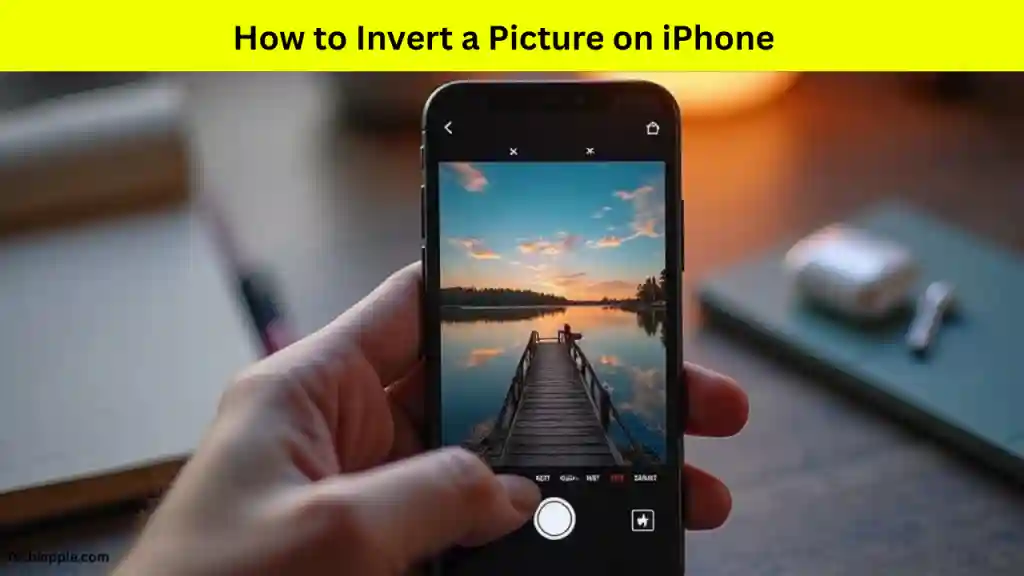
Introduction-Understanding How to Invert a Picture on iPhone
Inverting a picture on an iPhone is a popular technique for both accessibility purposes and creative photo editing. Knowing how to invert a picture on iPhone allows users to reverse colors, adjust visual contrast, or create artistic effects on their images. Whether for social media, design projects, or accessibility, iPhone users can benefit from mastering this simple yet effective tool.
Understanding the inversion process is essential because it can dramatically change the look and feel of your photos. Modern iPhones provide built-in tools for inversion, and third-party apps offer additional editing flexibility. By following this guide, you will be able to invert your pictures safely and effectively.
Benefits of Learning How to Invert a Picture on iPhone
-
Quickly reverse colors in images for creative effects
-
Enhance readability and accessibility for vision-impaired users
-
Edit photos without losing quality
-
Compatible with all recent iPhone models in 2026
-
Easy to share inverted photos across social media platforms
Customer Highlight
-
“Learning how to invert a picture on iPhone changed how I edit my photos. It’s quick and creative.”
-
“I use inversion for accessibility and artistic purposes, and it works perfectly on my iPhone 14 Pro.”
By mastering how to invert a picture on iPhone, users can improve both the usability and aesthetic appeal of their images.
Built-In iPhone Tools to Invert Pictures
Apple iPhones come with built-in tools that make it easy to invert images without third-party apps. These native features are reliable, quick, and require no additional downloads.
Using the Photos App
-
Open the Photos app and select your desired picture
-
Tap Edit → Filters → Invert (or color adjustment tools in 2026 iOS)
-
Preview the effect before saving
-
Save a copy to maintain the original photo
Accessibility Inversion
-
Go to Settings → Accessibility → Display & Text Size → Invert Colors
-
Two options:
-
Smart Invert: reverses colors without affecting media
-
Classic Invert: reverses all colors across the interface
-
-
Useful for vision-impaired users or enhancing contrast
Pros and Cons of Built-In Tools
Pros:
-
No additional apps required
-
Quick and simple
-
Works system-wide or photo-specific
Cons:
-
Limited creative control
-
Some media may appear reversed incorrectly
-
Fewer editing options compared to third-party apps
Customer Feedback
-
“Using the built-in invert option is fast and easy. I don’t need extra apps.”
-
“Classic invert is great for accessibility, but sometimes photos look unnatural.”
Using Third-Party Apps to Invert Pictures
For advanced control and artistic effects, third-party apps are highly recommended. Popular options in 2026 include Snapseed, Photoshop Express, and Pixelmator.
Steps Using Snapseed
-
Open Snapseed and select the picture
-
Go to Tools → Curves → Invert Colors
-
Adjust brightness, contrast, or saturation for best results
-
Save and export the edited photo
Advantages of Third-Party Apps
-
Greater control over color inversion
-
Ability to combine inversion with filters
-
Layer-based editing for complex projects
Comparison Table: Built-In vs Third-Party Apps
| Feature | Built-In iPhone Tools | Snapseed / Photoshop Express |
|---|---|---|
| Ease of Use | High | Medium |
| Control Over Colors | Low | High |
| Editing Flexibility | Low | High |
| Cost | Free | Free/Paid |
| Compatibility | iOS Only | iOS & Android |
Customer Highlight
-
“Snapseed makes it easy to invert pictures while adjusting other visual settings.”
-
“I prefer third-party apps for creative projects and social media posts.”
Editing Tips for Best Results
After inversion, editing can enhance image clarity and aesthetics.
Recommended Adjustments
-
Adjust brightness to prevent washed-out colors
-
Modify contrast to highlight details
-
Use saturation controls for vivid visuals
-
Crop or rotate for optimal framing
Avoid Common Mistakes
-
Over-inverting can make photos look unnatural
-
Failing to save a copy can overwrite the original
-
Confusing smart invert with photo-specific inversion may distort images
Customer Insight
-
“Adjusting contrast after inversion gives the photo a professional look.”
-
“I always save a copy before experimenting, it prevents accidental loss of the original picture.”
Accessibility Benefits of Color Inversion
Color inversion on iPhone is not just a creative tool; it enhances accessibility.
Smart Invert vs Classic Invert
-
Smart Invert: preserves media and images while reversing UI colors
-
Classic Invert: reverses all colors for high contrast viewing
-
Use cases: low-light readability, color blindness support, visual accessibility
Customer Highlight
-
“I use smart invert for easier reading on my iPhone at night.”
-
“Classic invert helps my visually impaired family members view content more clearly.”
Pros and Cons of Inverting Pictures on iPhone
Understanding advantages and limitations helps users maximize benefits.
Pros
-
Easy accessibility adjustment
-
Creative photo editing tool
-
Quick and built-in options available
-
Compatible with iOS and most third-party apps
Cons
-
Some images may look unnatural after inversion
-
Third-party apps can be overwhelming for beginners
-
Inversion does not always maintain original color balance
Customer Feedback
-
“Inversion is a lifesaver for editing social media content.”
-
“It’s simple yet very effective when used properly.”
Comparison of Methods
| Feature | Built-In Tools | Third-Party Apps |
|---|---|---|
| Ease of Use | High | Medium |
| Control Over Inversion | Low | High |
| Additional Editing Features | Limited | Extensive |
| Cost | Free | Free/Paid |
| Learning Curve | Minimal | Moderate |
Built-in tools are best for beginners and accessibility, while third-party apps suit professionals and creative projects.
Conclusion
Mastering how to invert a picture on iPhone allows you to enhance images for creativity or accessibility. For quick inversion, use built-in iPhone tools. For advanced effects, leverage third-party apps like Snapseed or Photoshop Express.
Try inverting a picture today and explore the creative possibilities on your iPhone. Experiment with brightness, contrast, and filters for optimal results.
Frequently Asked Questions (FAQs)
1. Can all iPhones invert pictures?
Yes, all iPhones with iOS 14 or later support built-in inversion features.
2. What is the difference between smart invert and classic invert?
Smart invert preserves media and images, while classic invert reverses all colors.
3. Do third-party apps affect photo quality?
Most apps maintain full resolution while inverting colors.
4. Can I share inverted pictures on social media?
Yes, inverted images can be shared without distortion.
5. Are third-party inversion apps free?
Many are free with optional premium features for advanced editing.
6. How do I avoid washed-out images after inversion?
Adjust brightness, contrast, and saturation after inverting the picture.
7. Does inverting pictures on iPhone help with accessibility?
Yes, it enhances readability for visually impaired users and improves low-light visibility.

