

Understan ding Transds and Why It Matters in 2026
Introduction to Transds (latest trends 2026 perspective)
Transds in today’s digital world is closely tied to how people understand evolving latest trends 2026 across technology, marketing, and online behavior. In simple terms, it reflects how fast ideas, tools, and user habits are changing in the digital space. From experience, I’ve seen that many businesses in the USA struggle not because they lack effort, but because they fail to keep up with these shifting patterns.
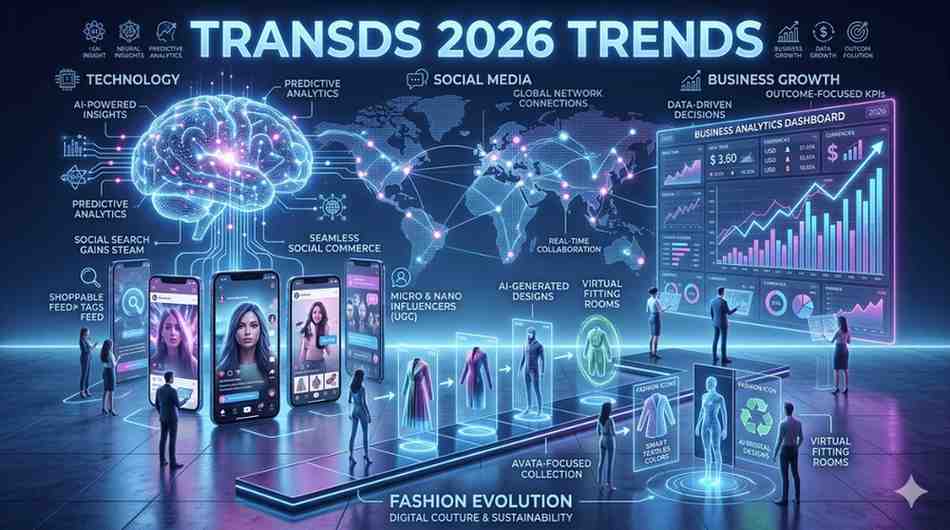
In many cases, what worked even a year ago in digital trends or online trends becomes outdated very quickly. For example, a small e-commerce store in California that relied heavily on static ads saw a drop in conversions simply because users started engaging more with short-form video content and AI-driven recommendations. This is exactly why understanding current trends is no longer optional, it is necessary for survival and growth.
Why Transds is becoming important for businesses
One common mistake people make is treating trends as temporary hype instead of long-term direction. But when you analyze platforms like Google Trends or even discussions on Quora, you will notice a clear shift toward personalization, automation, and real-time engagement.
Businesses in the USA, especially startups in cities like New York and San Francisco, are already adapting to technology trends such as AI tools, predictive analytics, and automated marketing systems. These are not just upgrades, they are reshaping how decisions are made and how customers interact with brands.
Real-world insight into trend adoption
From experience, companies that actively monitor social media trends and viral trends tend to grow faster because they react early instead of reacting late. For instance, a small fashion brand in Texas used trending Instagram reels formats to boost engagement, and within weeks, their traffic doubled.
This shows that understanding transds (trends) is not just about reading data, but about applying it in real situations where customer behavior is constantly changing.
What Are the Latest Digital Trends in 2026?
Overview of latest trends 2026 shaping the digital world
The landscape of latest trends 2026 is heavily influenced by automation, artificial intelligence, and user-first experiences. If you look closely at how platforms like YouTube, TikTok, and Google are evolving, you will notice one clear direction: everything is becoming more personalized, faster, and more predictive.
From experience, one thing is clear: businesses that ignore digital trends usually fall behind within months, not years. A small online retailer in the US Midwest recently shared on Quora that their traffic dropped simply because they did not adapt to AI-based product recommendations that competitors were using.
Key Digital Trends in 2026 (Comparison Table)
| Trend Area | What It Means | Impact on Users | Business Benefit |
| Artificial Intelligence | Smart automation and predictive systems | Faster, personalized experiences | Higher conversions and efficiency |
| Social Media Trends | Short-form, interactive content | More engagement and entertainment | Better brand reach |
| Voice Search | Using voice instead of typing | Easier search experience | Improved SEO traffic |
| Data Analytics | Real-time user behavior tracking | Personalized content | Smarter decision-making |
| Automation Tools | AI-driven workflows | Less manual effort | Cost reduction |
Technology-driven current trends shaping industries
Artificial Intelligence dominance
AI is no longer optional. It is driving everything from online trends in shopping to customer service automation. In many cases, companies are using AI chat systems to handle 70% of customer queries without human agents.
Rise of short-form content
Platforms like TikTok and Instagram Reels have completely changed social media trends. A business in Los Angeles reported that short videos brought 3x more engagement than traditional posts.
Voice and visual search growth
People are now searching differently. Instead of typing, they are speaking or using images. This shift is redefining technology trends in SEO and content creation.
Real-world example of digital adaptation
A small fitness coach in Florida shared on Quora that switching from blog-only content to video + AI-based email automation increased his client bookings by nearly 40%. This reflects how current trends directly impact income and visibility.
Pros and Cons of following digital trends
Pros
- Faster business growth through early adoption
- Better audience engagement
- Improved brand visibility in competitive markets
- Higher conversion rates through personalization
Cons
- Requires constant learning and adaptation
- Some tools may be expensive for beginners
- Over-reliance on automation can reduce creativity
- Not all trends are relevant for every business
Social Media & Viral Trends You Can’t Ignore in 2026
How social media trends are changing digital behavior
In 2026, social media trends are no longer just about posting content, they are about creating experiences. Platforms like Instagram, TikTok, YouTube Shorts, and even LinkedIn are shifting toward short, engaging, and highly personalized content.
From experience, one common mistake people make is trying to “post everything everywhere” without understanding platform behavior. A business owner in the USA (shared in a Quora discussion) mentioned that their Facebook posts performed poorly, while the same content in short video format on TikTok went viral within days.
This shows that viral trends are not random, they are driven by timing, format, and audience psychology.
Key viral and social media trends in 2026
- Short-form video content dominates attention
- AI-generated content tools are widely used
- Micro-influencers are more trusted than celebrities
- Community-based engagement is replacing broad advertising
- Real-time content (live streams, stories) is increasing conversions
- User-generated content is becoming a major marketing asset
These trending topics are shaping how brands interact with users, especially in competitive markets like the USA and Europe.
Comparison Table: Social Media Platforms in 2026
| Platform | Content Style | Audience Behavior | Marketing Impact |
| TikTok | Short viral videos | Fast engagement, trend-driven | High viral potential |
| Reels + stories | Visual-first interaction | Strong brand identity | |
| YouTube | Long + short videos | Search + entertainment mix | Long-term traffic |
| Professional content | Business-focused networking | High-quality leads | |
| X (Twitter) | News + updates | Real-time discussions | Fast trend exposure |
Competitor Comparison (Marketing Approach)
Traditional marketers vs trend-driven marketers
Traditional marketers still rely on static ads, email blasts, and long blog content without adapting to current trends. On the other hand, trend-driven marketers focus on agility and real-time engagement.
| Factor | Traditional Marketing | Trend-Driven Marketing |
| Speed | Slow updates | Real-time adaptation |
| Engagement | One-way communication | Interactive content |
| Tools | Basic analytics | AI + automation tools |
| ROI | Delayed results | Faster conversions |
In many cases, businesses that shift early to digital trends see 2–3x faster growth compared to traditional methods.
Real-world use cases and customer insights
A small clothing brand in New York shared their experience online: they switched from regular product posts to influencer-led short videos. Within one month, their engagement increased significantly.
Another example from Quora involved a tech startup in California that used AI-generated captions and trend analysis tools to optimize their posts. Their organic reach increased without increasing ad spend.
These examples highlight how online trends directly affect visibility and revenue.
Pros and Cons of social media trends
Pros
- Rapid audience growth potential
- Strong brand visibility in short time
- Cost-effective marketing compared to ads
- Easy experimentation with content formats
Cons
- Trends change very quickly
- High competition for attention
- Requires constant content production
- Risk of low-quality viral content focus
Key insight before moving forward
From experience, businesses that treat social media trends as a strategy rather than a shortcut perform significantly better in the long run. It’s not about chasing every viral moment, it’s about understanding what fits your audience.
If you are serious about growing online, start analyzing latest trends 2026 and adapt your content strategy accordingly. Platforms like techiapple.com regularly share insights that can help you stay ahead of competitors instead of reacting late. The earlier you adapt, the stronger your digital presence becomes.
Technology & Business Trends 2026 That Are Reshaping Industries
Why technology trends are driving modern business growth
In 2026, technology trends are no longer just supporting business operations, they are actually defining how businesses survive and scale. If you look at the US market, especially startups in Silicon Valley and Austin, you will notice one pattern: companies that adopt new systems early grow faster than those that delay.
From experience, I’ve seen many small businesses struggle not because their product is weak, but because their systems are outdated. One business owner shared on Quora that switching from manual reporting to AI-based dashboards helped them save nearly 15 hours per week. That is the real impact of current trends in technology.
Major business and technology trends in 2026
- AI-driven decision making in operations and marketing
- Cloud-first infrastructure replacing traditional systems
- Hyper-automation in workflows and customer service
- Predictive analytics for business forecasting
- Cybersecurity becoming a top business priority
- Remote and hybrid work models becoming standard
These latest trends 2026 are not optional upgrades anymore, they are becoming basic requirements for competitive businesses.
Technology vs Traditional Business Model Comparison
| Factor | Traditional Business Model | Modern Trend-Driven Model |
| Decision Making | Manual reports | AI-powered analytics |
| Marketing | Static campaigns | Personalized automation |
| Operations | Manual processes | Hyper-automation tools |
| Customer Support | Human-only support | AI + chatbot systems |
| Scalability | Slow expansion | Cloud-based fast scaling |
Comparison with competitors in real business scenarios
Early adopters vs late adopters
Businesses that adopt digital trends early often outperform competitors significantly.
| Category | Early Adopters | Late Adopters |
| Growth Speed | Fast scaling | Slow growth |
| Market Share | Expanding rapidly | Losing relevance |
| Customer Experience | Highly personalized | Generic experience |
| Profitability | Higher margins | Reduced margins |
In many cases, a simple delay of 6–12 months in adopting technology trends can result in loss of market share.
Real-world examples of business transformation
A logistics company in Texas shared that by adopting AI route optimization, they reduced fuel costs by nearly 20 percent. Another SaaS startup in California reported that switching to cloud infrastructure allowed them to scale user base without increasing operational cost significantly.
These examples show how online trends and technology are directly connected to profitability.
Customer experience highlights
- “We reduced manual errors almost completely after automation”
- “AI tools helped us understand customer behavior better than ever”
- “We scaled from local to national market using cloud systems”
- “Digital transformation changed how we manage daily operations”
These insights reflect real user experiences seen across business forums and discussions.
Pros and Cons of adopting technology trends
Pros
- Faster business scalability
- Reduced operational costs
- Better customer targeting and personalization
- Improved data-driven decision making
- Competitive advantage in the market
Cons
- High initial setup cost for advanced tools
- Learning curve for teams
- Overdependence on automation systems
- Cybersecurity risks if not managed properly
Expert insight
From experience, businesses that treat technology trends as long-term investments rather than short-term upgrades usually outperform competitors within 1–2 years. The key is not just adopting tools, but integrating them into daily operations properly.
Fashion, Online, and Viral Trends 2026 Shaping Consumer Behavior
How fashion trends 2026 are influenced by digital culture
In 2026, fashion trends 2026 are no longer driven only by designers or runway shows. Instead, they are heavily influenced by social media platforms, influencers, and even AI-generated styling tools. If you observe closely, platforms like Instagram and TikTok are now setting trends faster than traditional fashion magazines.
From experience, one interesting shift is how quickly styles change. A fashion retailer in the USA mentioned on Quora that a product can go viral in the morning and lose demand within weeks if the trend cycle shifts. That is the reality of modern viral trends.
Online trends shaping consumer behavior
Today’s online trends are deeply connected to personalization and instant gratification. People don’t just browse anymore, they expect tailored recommendations, instant reviews, and social proof before making decisions.
Key shifts include:
- AI-based outfit recommendations in fashion apps
- Influencer-led shopping decisions
- Real-time product drops and limited offers
- Social commerce integrated into Instagram and TikTok
- User-generated styling content influencing buying behavior
Comparison Table – Traditional Fashion vs Trend-Driven Fashion
| Factor | Traditional Fashion Industry | Trend-Driven Fashion 2026 |
| Trend Speed | Seasonal updates | Weekly or daily shifts |
| Marketing | Runway + magazines | Social media + influencers |
| Customer Influence | Brand-driven | User-driven |
| Product Discovery | Stores and catalogs | TikTok, Instagram, AI feeds |
| Sales Cycle | Slow | Fast and reactive |
Viral trends and how they spread today
Why viral trends change so fast
One common mistake people make is thinking viral trends are predictable. In reality, they often start from small creators, random posts, or meme culture.
For example:
- A simple outfit video on TikTok can turn into a global fashion trend overnight
- A meme format can influence brand marketing campaigns
- A celebrity airport look can drive millions in sales within days
From experience, speed matters more than perfection in today’s digital environment.
Competitor comparison – Fast fashion vs digital-first brands
| Category | Fast Fashion Brands | Digital-First Trend Brands |
| Trend Response | Moderate speed | Real-time adaptation |
| Marketing Strategy | Traditional ads | Influencer + viral content |
| Customer Engagement | One-way | Interactive community |
| Product Cycle | Monthly/seasonal | Weekly drops |
| Growth Model | Store-based | Social-driven |
Digital-first brands are clearly outperforming traditional players because they understand current trends better.
Customer experience and real-world insights
A small fashion brand in Los Angeles shared that switching to TikTok-first marketing helped them increase sales without increasing ad spend. Another case from Quora involved a boutique store in New York that started using influencer collaborations, which resulted in higher engagement than Google ads.
Customers now trust:
- Real people over advertisements
- Short videos over product descriptions
- Reviews over brand claims
This shift is a key driver of social media trends today.
Pros and Cons of fashion and viral trends
Pros
- Faster brand visibility
- High engagement through social platforms
- Low-cost marketing opportunities
- Strong influence from creators and influencers
- Rapid product demand growth
Cons
- Extremely short trend lifecycle
- High competition among brands
- Difficulty in long-term planning
- Risk of overproduction due to viral spikes
Expert insight
From experience, brands that survive in this fast-changing environment are not the ones that chase every trend, but the ones that understand online trends deeply and adapt selectively. Timing and consistency matter more than constant experimentation.
Transition insight
At this stage, it becomes clear that whether it is technology, business, or fashion, everything connects back to one idea: adapting to latest trends 2026 is essential for long-term survival.
How to Stay Ahead of Trends in 2026 and Build Long-Term Success
Why most people fail to follow current trends effectively
In 2026, information is not the problem. The real issue is filtering what actually matters. Many individuals and businesses try to follow every update in current trends, but end up overwhelmed and inconsistent.
From experience, one common mistake people make is reacting too late. By the time a trending topic becomes mainstream, the real growth opportunity is already gone. A small business owner in the USA shared on Quora that they started using TikTok trends six months late, and by then competitors had already dominated the space.
Practical system to track latest trends 2026
If you want to stay competitive in latest trends 2026, you need a simple but consistent system:
- Monitor Google Trends weekly
- Follow 2–3 niche industry blogs only
- Track competitors instead of copying them
- Use AI tools for trend prediction and keyword research
- Observe viral content patterns on social media daily
This approach helps you focus on meaningful digital trends instead of noise.
Comparison table – Trend followers vs trend leaders
| Factor | Trend Followers | Trend Leaders |
| Timing | React late | Act early |
| Strategy | Copy trends | Create variations |
| Growth | Unstable | Consistent |
| Market Position | Competitive pressure | Market authority |
| Innovation | Low | High |
Trend leaders don’t just follow online trends, they interpret them and adapt them to their own audience.
Real-world use case of staying ahead of trends
A SaaS startup in California shared that instead of waiting for trends to mature, they tested small versions of technology trends like AI automation early. This allowed them to refine their product before competitors even entered the market.
Similarly, a fashion brand in Texas used early signals from viral trends on TikTok to launch limited collections. As a result, they consistently sold out inventory within days.
Pros and Cons of trend adaptation strategy
Pros
- Early market advantage
- Strong brand positioning
- Higher ROI from marketing efforts
- Better audience understanding
- Reduced competition pressure
Cons
- Requires continuous research
- Risk of adopting short-lived trends
- Learning curve for new tools
- Requires consistent execution discipline
Key strategy insights (expert perspective)
From experience, successful brands don’t chase every social media trend. Instead, they filter trends based on:
- Audience relevance
- Business alignment
- Long-term value
- Execution capability
In many cases, ignoring 80 percent of trends and focusing on 20 percent that matter leads to better results.
Final conclusion
The world of transds (trends) in 2026 is fast, unpredictable, and highly competitive. Whether it is technology trends, fashion trends 2026, or social media trends, everything is moving toward speed, personalization, and automation.
Businesses and individuals who understand current trends early and apply them strategically will always stay ahead. The goal is not to follow everything, but to understand what actually drives results.
If you want to stay updated with actionable insights on latest trends 2026, digital trends, and real-world growth strategies, keep exploring Techiapple.com. Start applying even one trend consistently instead of chasing everything at once. That single shift can significantly improve your growth direction.
Conclusion – Future of Transds and Latest Trends 2026
In today’s fast-moving digital world, transds (latest trends 2026) are shaping everything from how businesses operate to how people consume content online. Whether it is digital trends, social media trends, technology trends, or even fashion trends 2026, the direction is clear: everything is becoming faster, smarter, and more personalized.
From experience, the biggest difference between businesses that grow and those that struggle is not resources, but adaptability. Companies that understand current trends early are able to adjust strategies, attract audiences faster, and stay ahead of competition.
One important insight is this: you don’t need to follow every trend. Instead, focus on the ones that align with your audience and long-term goals. In many cases, selective adoption of online trends leads to more stable and predictable growth than chasing every viral moment.
The future belongs to those who observe, adapt, and act early. Trends will continue to evolve, but the principle remains the same — attention shifts quickly, and opportunity rewards those who move first.
Frequently Asked Questions (FAQs)
1. What does transds mean in digital context?
Transds refers to evolving trends in technology, marketing, and online behavior that shape how industries grow and adapt.
2. Why are latest trends 2026 important for businesses?
They help businesses stay competitive, improve customer engagement, and adapt to changing digital behavior.
3. What are the biggest digital trends right now?
AI automation, social media short-form content, voice search, and predictive analytics are leading digital trends.
4. How do social media trends impact marketing?
They influence how users consume content and decide what brands to trust and engage with online.
5. What is the difference between viral trends and current trends?
Viral trends are short-term and fast-spreading, while current trends represent longer-term behavioral shifts.
6. How can small businesses benefit from online trends?
They can increase visibility, reduce marketing costs, and reach audiences faster using platforms like TikTok and Instagram.
7. How often should businesses track trends?
Ideally weekly for monitoring tools and daily for social media activity to stay updated with online trends.

